
Quiet Glow, Big Impact: Layered Lighting for Refined Homes
Build the Glow: Ambient, Task, and Accent Working Together
01
Ambient That Breathes Instead of Blasts
Start by washing ceilings and upper walls to create a soft canopy of brightness, avoiding harsh hotspots. Indirect coves, shaded pendants, and well-spaced recessed fixtures with wide beams lift the whole space evenly. Vertical illumination matters because bright walls make rooms feel larger and calmer. Keep dimmable control so evenings settle into a quiet, enveloping light.
02
Task Light with Gentle Precision
Add focused light only where hands, eyes, and tools need clarity: counters, reading chairs, desks, vanities, and hobby tables. Position beams to avoid glare in sightlines and reflections on glossy surfaces. Think about beam spread, mounting height, and cut-off. Use warm, high-quality LEDs with smooth dimming so intense tasks feel crisp, while downtime remains comfortable and cozy afterward.
03
Accent for Depth, Drama, and Delight
Once function is secure, layer highlights for texture and story: art, plants, architectural nooks, and book spines. Aim spots around thirty degrees to reduce glare and avoid long nose shadows on canvases. Target gentle contrast ratios—three-to-one or five-to-one—so eye fatigue stays low. A few small pools of light can make a whole room feel nuanced, collected, and personal.
Color Temperature That Supports Daily Rhythms
Dimming That Feels Like Breathing
Quality Light That Loves Materials and Faces
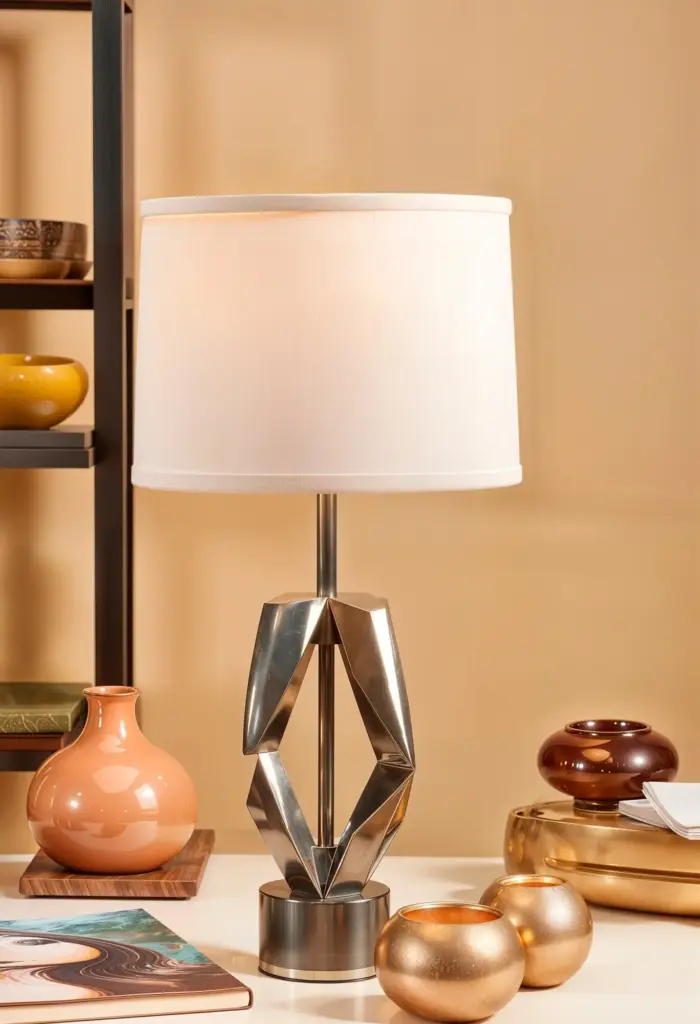
Room Portraits: Subtle Sophistication in Real Spaces
Placement Secrets: Angles, Heights, and Shadows
Art, Walls, and Architectural Rhythm
Heights, Shades, and Sightlines
Shadows as a Design Material
Materials, Finishes, and Reflectance
Refined Glow Through Reflectance
Sparkle That Never Shouts
Daylight as the First Layer
Scene Presets You Will Actually Use
Automation That Feels Human
Care, Updates, and Seasonal Refresh
Smart Scenes and Everyday Rituals
All Rights Reserved.